Wikimedia Foundation urges nuance in NYT copyright case against OpenAI
The Wikimedia Foundation, the nonprofit behind Wikipedia, has filed a court brief in the New York Times' copyright lawsuit against OpenAI and Microsoft, urging a nuanced fair-use ruling that protects both AI innovation and open knowledge.
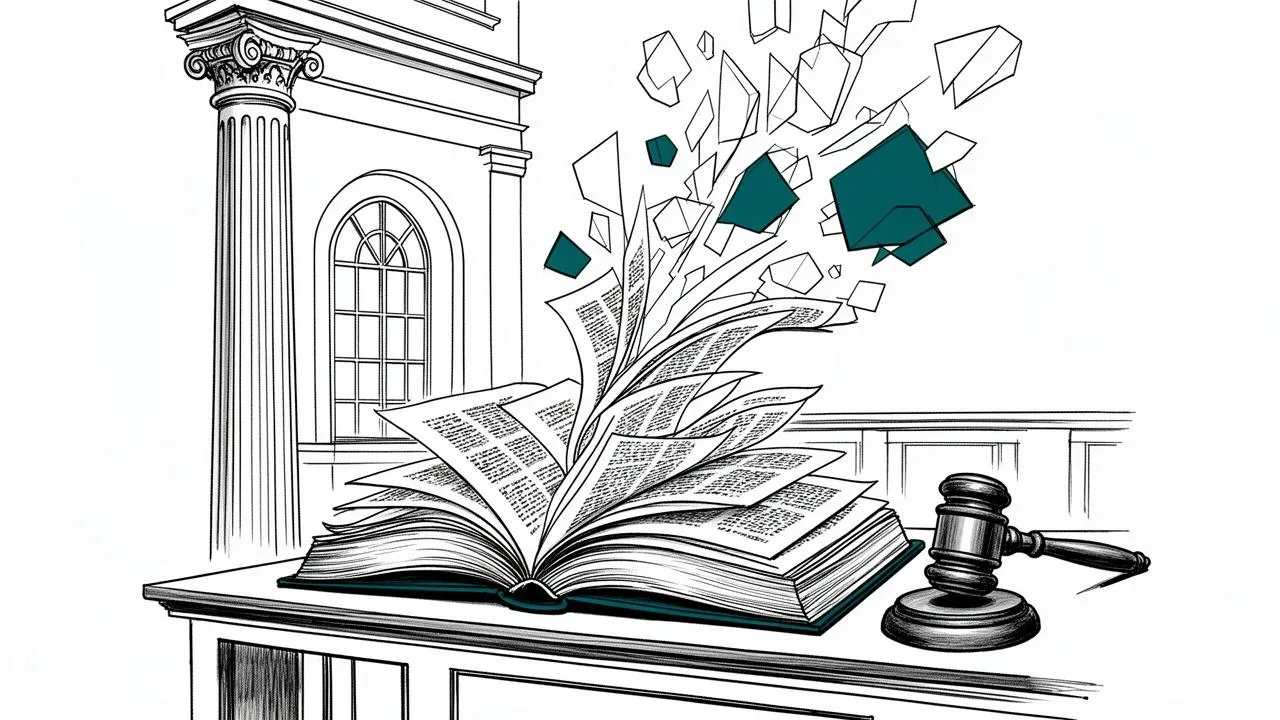
The Wikimedia Foundation, the nonprofit organization behind Wikipedia, has entered the copyright fight between The New York Times and OpenAI and Microsoft. In an amicus brief filed with the court, the foundation is asking judges to steer a middle course between the two sides, warning that an extreme decision in either direction could damage the open web and the future of free knowledge.
The dispute over AI training data
The lawsuit, brought by The New York Times, accuses OpenAI and Microsoft of using the newspaper's published articles without permission to train and operate artificial intelligence systems. The Times argues that tech companies should not have unrestricted access to its copyrighted journalism. OpenAI and Microsoft counter that training AI models on published material is a legitimate practice that falls under fair use, and that restricting it would slow technological progress.
Fair use is a legal doctrine that allows limited use of copyrighted material without permission under certain circumstances, such as commentary, criticism, or transformative work. The question at the heart of this case is whether training an AI model on copyrighted text counts as transformative use or simply unauthorized copying.
The case is one of more than a dozen similar lawsuits making their way through courts, but legal observers say this particular dispute could set an important precedent for how AI companies use copyrighted content across the industry.
Wikimedia's third position
In its brief, the Wikimedia Foundation agrees with OpenAI and Microsoft that an overly restrictive interpretation of fair use could stifle innovation. But it also warns that a sweeping ruling in favor of blanket fair use could lead to a more closed web, where knowledge is weakened by a lack of available secondary source materials.
The foundation proposes applying fair use to two specific scenarios. The first covers certain model training situations, where copyrighted content is used to build large language models that produce something new and different from the original sources. The second involves retrieval-augmented generation, or RAG, a technique that improves AI output by pulling in information from external knowledge bases. Wikimedia supports RAG in principle, but draws the line at systems that simply reproduce existing articles without attribution.
Why Wikipedia's voice matters
Wikipedia is widely regarded as one of the highest-quality datasets used to train large language models, which gives the foundation a direct stake in the outcome. In a statement, Wikimedia's General Counsel Stephen LaPorte said the court needs to understand that Wikipedia is built through a collaborative process that depends on a strong foundation of open and accessible human knowledge. He warned that a ruling that fails to apply fair use principles carefully could threaten the sustainability of free knowledge and hold back open source technologies, ultimately limiting access to information for everyone.
The foundation's involvement is notable because Wikipedia itself is built from freely licensed human knowledge, yet it benefits from a web where secondary sources and commentary can flourish. A ruling that pushes too far in either direction could disrupt that balance.
What happens next
A summary judgment in the case is expected in the near future, according to the source. The outcome could influence how AI companies handle copyrighted material across the industry, and how publishers protect their content in an era of machine learning. The Wikimedia Foundation's brief adds a distinctive voice to the debate, one that represents neither the traditional publishing industry nor the AI companies, but rather the ecosystem of open knowledge that sits between them.