US senators probe Meta AI glasses over 'serious' privacy risks
US senators are investigating Meta's AI smart glasses over 'serious privacy and safety risks,' citing incidents of secret filming and data misuse. They demand answers by Thanksgiving.
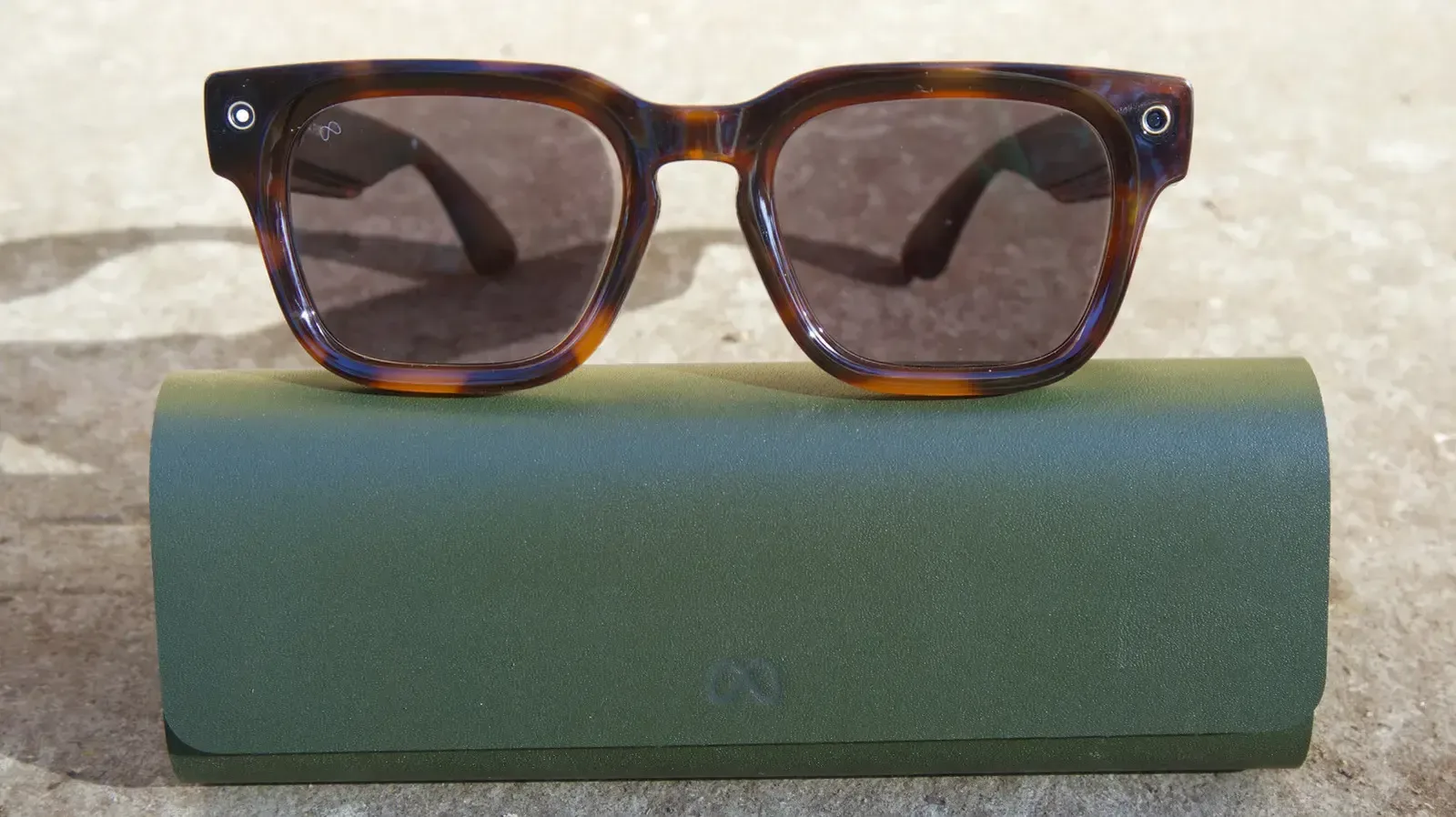
Two US senators have launched an investigation into Meta's AI-powered smart glasses, citing "serious privacy and safety risks" that have emerged since the product's launch. In a letter to CEO Mark Zuckerberg, Senators Ron Wyden (D-Or) and Edward Markey (D-Ma) pointed to multiple incidents where the glasses were used to secretly record people, raising questions about consent, data handling, and Meta's internal safeguards.
The senators' letter, dated October 30, 2026, highlights a pattern of misuse that has drawn public attention. They referenced reports from 404 Media and the BBC showing men using the glasses to film women without consent while harassing them, then posting the footage on social media. The lawmakers also noted that, according to other reports and a lawsuit, Meta's AI contractors reviewed video captured by the eyewear showing people undressing or engaging in sexual activity—content that should never have been accessible to them.
What the senators are demanding from Meta
Wyden and Markey have asked Meta to answer specific questions about how the glasses handle recording and privacy. They want to know whether accidental camera activation is possible and whether the device's recording indicator can be tampered with. They also asked if Meta applies face-blurring or license-plate blurring in AI interactions, as it does on Facebook and Instagram, and under what circumstances imagery from the glasses is shared with employees, contractors, or used to train AI models.
The letter also presses Meta on its pre-launch safety testing. Citing Meta's own documents, the senators asked whether the company conducted detailed human rights due diligence and safety testing before releasing the glasses. They gave Meta until Thanksgiving (November 26, 2026) to respond.
A growing list of privacy complaints
The senators' probe adds to a mounting set of concerns about Meta's Ray-Ban smart glasses. Users have reported that a firmware update caused the glasses to record conversations without consent. The devices have also been spotted on ICE agents during raids, and the New York City Police's counterterrorism unit reportedly raised surveillance concerns earlier in January. In October, California Governor Gavin Newsom vetoed a bill that would have banned using wearables to secretly record people in private business areas—a move that critics said left a gap in protection.
Why this matters for consumers
For everyday users, the investigation underscores a fundamental tension: smart glasses offer convenience and hands-free AI assistance, but they also make it nearly impossible for bystanders to know when they are being recorded. Unlike a phone, which is visibly held, glasses are worn on the face, making covert recording easy. The senators' letter suggests that Meta may have downplayed these risks even after internal warnings.
"Meta's professed commitment to privacy and preventing intimate image abuse rings hollow if the company cannot demonstrate meaningful steps to prevent its own products and practices from facilitating those harms," the senators wrote to Zuckerberg.
What happens next
Meta has not yet publicly responded to the letter. The company has previously said it takes privacy seriously and has added features like a recording LED, but critics argue those measures are insufficient. The senators' investigation could lead to hearings, new legislation, or regulatory action—especially if Meta's responses reveal gaps in its safety protocols. For now, the ball is in Meta's court, and the deadline is set for late November.