Intel stock plunges 28% on weak outlook, government loses $12B
Intel's stock crashed 28% on Friday after a weak fourth-quarter outlook, wiping $12 billion off the U.S. government's stake and fueling concerns about the chipmaker's recovery.
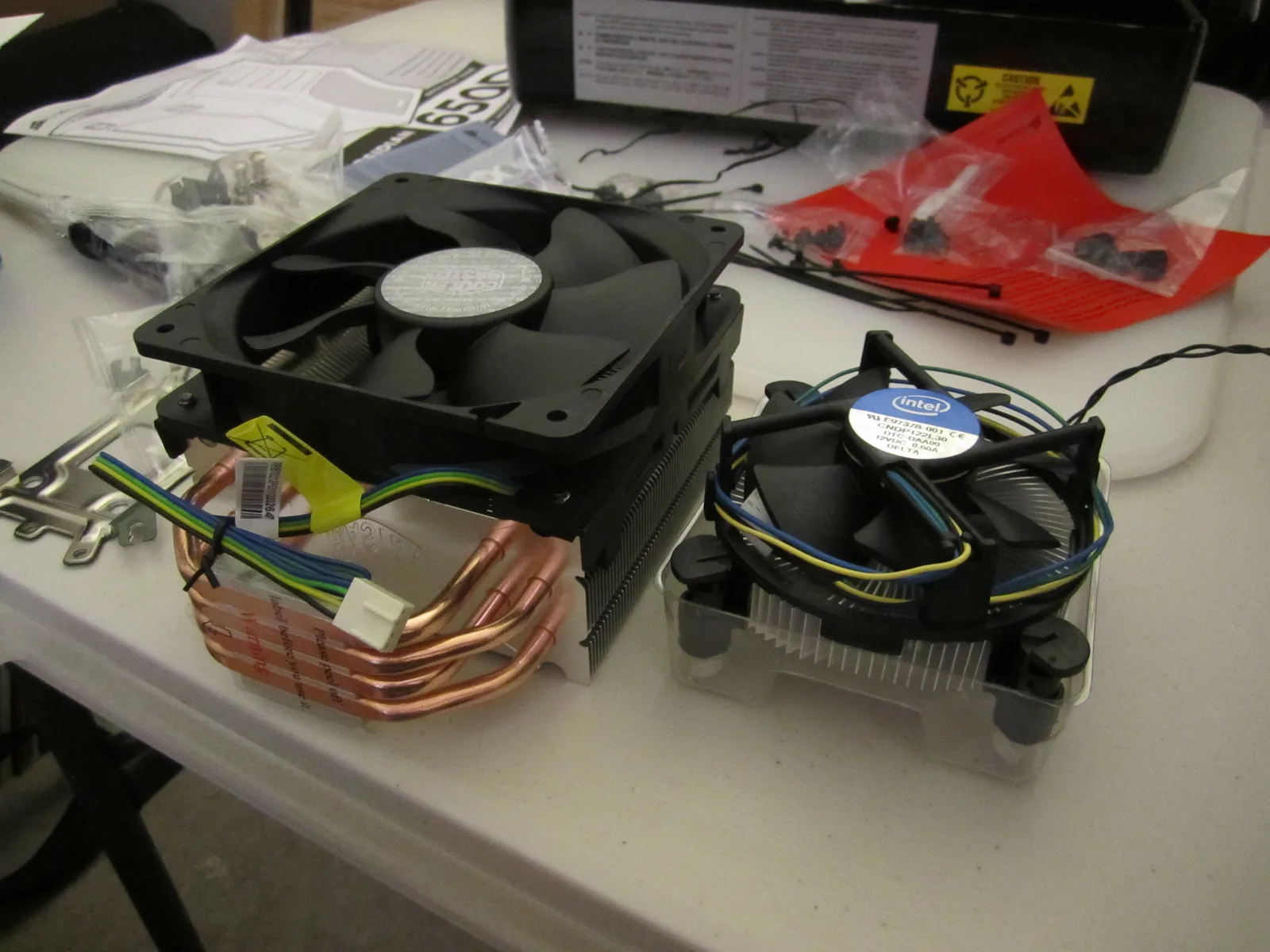
Intel suffered one of its worst trading days on Friday, with shares plummeting about 28% after the company issued a weaker-than-expected outlook for the fourth quarter. The rout erased roughly $12 billion from the value of the U.S. government's 10% stake in the chipmaker, according to a CNBC report cited by TechCrunch. The decline also dragged down Nvidia, which took a significant stake in Intel in 2025, though its drop was more modest.
Despite the sharp fall, Intel's stock remains up more than 70% for the year, so the government's investment is still profitable. However, the crash has reignited questions about whether Intel can execute its ambitious turnaround plan.
Why Intel's stock crashed
The sell-off was triggered by Intel's fourth-quarter guidance, which came in well below analyst expectations. The company said it expects revenue between $15 billion and $16 billion, while analysts had forecast around $17 billion. Intel also warned that its gross profit margin would decline to 37% from 43% in the previous quarter, and that heavy investments would result in no positive cash flow.
CEO Lip-Bu Tan attributed the weak outlook to a slowdown in PC sales, driven by rising memory prices caused by the AI industry's voracious demand for components. "Our customers began signaling a PC slowdown based on the memory prices and availability," Tan said on the earnings call. "Year-to-date system endpoint prices have increased significantly, placing additional pressure on already limited IT budgets."
Government and Nvidia stakes take a hit
The U.S. government acquired a 10% stake in Intel more than a year ago under the Trump administration, as part of efforts to boost domestic semiconductor manufacturing. Nvidia also bought a large stake in 2025. Friday's crash reduced the value of the government's holdings by $12 billion, according to CNBC. Nvidia's stock also dipped, though it was less affected than Intel.
Despite the paper losses, both investors are still in the green for the year, as Intel shares had surged over the summer before the recent decline.
PC market woes and AI memory prices
The core problem for Intel is the weakening PC market. AI data centers are consuming massive amounts of memory and other components, driving up prices for PCs and squeezing corporate budgets. This has led customers to delay or reduce purchases, hitting Intel's core client business.
Intel's data center segment, however, showed strength, with revenue growing 78% year-over-year. But the company is constrained by its ability to bring new fab capacity online. One of Intel's new Arizona fabs is operational, but the next one is not expected until 2028. Until then, Intel must compete with Taiwan Semiconductor Manufacturing Co. (TSMC) for external customers, a challenge that limits its ability to fully capitalize on data center demand.
What's next for Intel
Investors will be watching whether Intel can navigate the PC downturn while ramping up its foundry business. The company's heavy spending on manufacturing capacity is a key part of its long-term strategy, but it is pressuring near-term profitability. With the PC market under pressure and memory prices likely to remain elevated, Intel faces a difficult stretch before its next fab comes online.
The stock's sharp decline underscores the fragility of its recovery narrative. While the government and Nvidia remain profitable on paper, the latest crash raises fresh doubts about whether Intel can deliver on its promises to regain leadership in the semiconductor industry.